
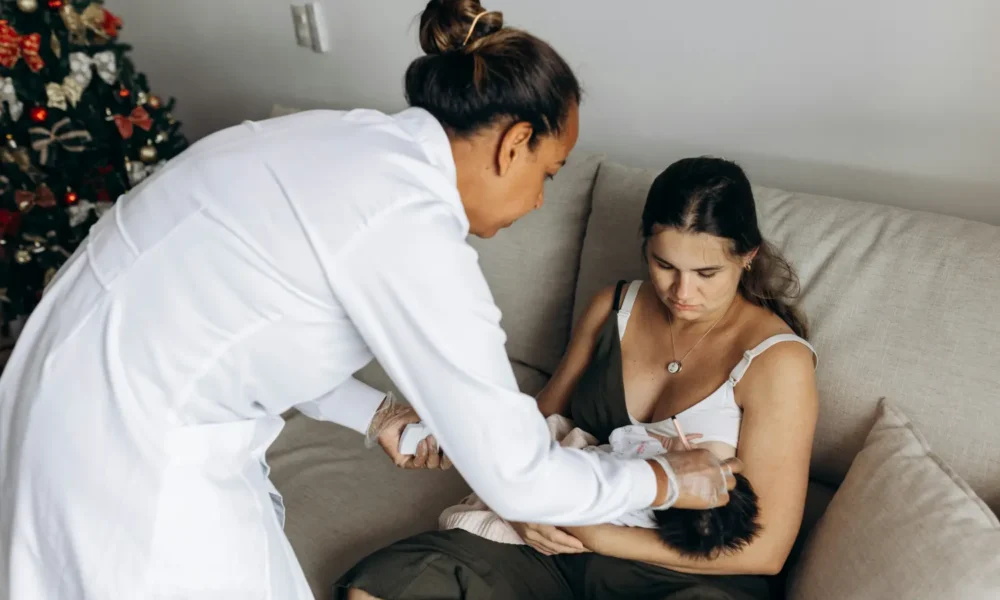
Welcoming a newborn into your home is a life-changing experience. It brings immense joy but also significant physical and emotional challenges. Many families find themselves overwhelmed by the sudden demands of parenthood. They often ask, what does a postpartum doula do to help? A postpartum doula acts as a professional support system for the entire family.
Their daily goal is to “mother the mother” during the fourth trimester. This support ensures a smoother transition for both the parents and the infant. In 2026, more families are choosing professional help to navigate these early weeks. Doulas provide evidence-based information and hands-on assistance every single day. They bridge the gap between medical discharge and independent parenting.
Each day follows a rhythm dictated by the specific needs of the family. Whether it is a first-time parent or a growing household, the doula adapts. They handle tasks ranging from infant care to emotional wellness checks. This comprehensive approach allows parents to focus entirely on bonding. Professional support significantly reduces the stress associated with new parenthood.
Daily Newborn Care and Parental Education
The primary focus of a postpartum doula involves the newborn’s immediate needs. They handle various tasks to ensure the baby is safe and comfortable. This includes feeding support, diapering, and soothing throughout their daily shift. A doula also teaches parents how to perform these tasks confidently. They model proper techniques for bathing and umbilical cord care.
1. How does a doula support infant feeding?
Feeding is one of the most critical aspects of newborn care. What does a postpartum doula do to assist with this process? They help mothers with breastfeeding positioning and achieving a proper latch. If a family chooses bottle-feeding, the doula manages bottle preparation and sterilization. They ensure the infant receives adequate nutrition in a stress-free environment.
Research indicates that professional support can increase breastfeeding success rates by 20%. Doulas provide the encouragement needed to overcome common early challenges. They also help identify when a lactation consultant might be necessary. This proactive approach prevents feeding issues from becoming major obstacles. Parents feel more empowered when they have an expert guiding them.
2. Why is infant sleep safety a priority?
Sleep safety is a constant concern for every new parent. Doulas strictly follow the latest safety guidelines for infant sleep. They ensure the baby is placed on their back on a firm surface. This reduces the risk of Sudden Infant Death Syndrome (SIDS) significantly. In 2026, these standards remain the gold weight for infant care.
What does a postpartum doula do to help with sleep habits? They assist in establishing a gentle and healthy sleep routine. This involves recognizing infant sleep cues and creating a calming environment. By managing sleep during the day, they help the baby distinguish between day and night. This foundation is essential for the long-term well-being of the infant.

Maternal Recovery and Emotional Health Support
Maternal health is a cornerstone of the postpartum doula’s daily mission. Statistics show that approximately 15% of women experience postpartum mood disorders. A doula monitors the mother’s physical and emotional state daily. This constant oversight allows for the early detection of potential health issues. Their presence provides a vital safety net during a vulnerable time.
3. What does a postpartum doula do for physical healing?
Physical recovery requires consistent rest and proper nourishment after childbirth. A doula ensures the mother stays hydrated and eats nutrient-dense meals. They may prepare specific foods that support tissue repair and energy levels. These meals are often tailored to the mother’s dietary preferences and needs. Proper nutrition is essential for a faster and more complete recovery.
They also provide guidance on physical comfort measures at home. This might include assisting with sitz baths or perineal care instructions. If a mother had a cesarean section, the doula helps with mobility. They ensure the mother does not overexert herself during the first weeks. This physical support allows the body to heal efficiently and safely.
4. How does emotional support improve parental confidence?
The “baby blues” can affect up to 80% of new mothers. Doulas provide a non-judgmental space for parents to process their emotions. They listen to birth stories and validate the challenges of new parenthood. This emotional buffering can significantly lower cortisol levels in parents. Lower stress levels contribute to a more positive bonding experience.
What does a postpartum doula do to build confidence? They offer constant reassurance and highlight the parents’ successes. By answering questions accurately, they reduce the anxiety of the unknown. This support helps parents trust their instincts more quickly. A confident parent is better equipped to care for their new child.

Managing Household Stability and Integration
A postpartum doula helps keep the entire household running smoothly. This allows the parents to prioritize their recovery without worrying about chores. They handle light housework such as the baby’s laundry and kitchen tidying. They ensure that the nursery remains organized and fully stocked. These small tasks significantly reduce the mental load on new parents.
5. How do doulas assist with sibling and pet adjustments?
Introducing a new baby can be a major transition for siblings. The doula helps older children adjust to the new family dynamic. They might spend time playing with siblings while the parents bond with the baby. They also guide older children on how to interact safely with the newborn. This prevents feelings of neglect among the older children.
Pets also require attention during this busy transition period. Doulas can help maintain the pet’s routine to keep the home calm. They ensure that the environment remains peaceful for everyone in the house. This holistic care creates a balanced and happy household for all members. Integration becomes a positive experience rather than a source of stress.
6. What is the impact of household organization on stress?
Clutter and unfinished chores can increase anxiety for new parents. What does a postpartum doula do to manage this daily? They create organized stations for feeding, diapering, and mother’s recovery. Having everything within reach saves time and reduces frustration during the day. An organized home fosters a sense of control and peace.
This logistical support extends to managing visitors and phone calls. Doulas can help protect the family’s “bonding bubble” from outside interruptions. They ensure the family has the privacy they need to recover. This management of the home environment is a key part of their daily role. Parents can rest easy knowing the details are handled.
Choosing the Right Level of Postpartum Support
Every family has unique requirements during the recovery period. Some may need intensive, round-the-clock assistance to manage a difficult recovery. Families dealing with multiples or surgical births often require more help. Choosing a live-in postpartum doula 24/7 provides constant peace of mind and professional care. This level of service covers everything from overnight feedings to daily meal preparation.
Other families may find that they struggle most during the late hours. Sleep deprivation is one of the biggest challenges for new parents. It can impair judgment and slow down the physical healing process. Hiring an overnight postpartum doula allows parents to get the rest they need. These experts handle the infant’s nighttime needs so the parents can sleep.
When deciding, consider your current energy levels and existing support network. If you lack nearby family, a professional doula fills a vital gap. Evaluate which times of the day feel the most overwhelming for you. Professional support should empower you and make the transition feel manageable. Investing in expert care early can prevent burnout and promote long-term family health.

Summary
A postpartum doula provides essential newborn care, maternal recovery support, and household management daily. They use evidence-based practices to ensure the safety and confidence of the whole family. By handling physical tasks and offering emotional guidance, they facilitate a healthy recovery. This professional presence creates a strong foundation for your family’s future.
FAQ
1. What is the difference between a baby nurse and a postpartum doula?
A baby nurse focuses almost exclusively on the infant’s care and sleep. In contrast, a postpartum doula supports the entire family unit. They focus on the mother’s physical and emotional recovery as well. Doulas also provide extensive education to help parents become more self-sufficient. Their goal is to empower the family, not just care for the baby.
2. How many hours a day does a postpartum doula typically work?
The hours depend entirely on the family’s specific needs and budget. Daytime shifts usually last between 4 and 8 hours. Overnight shifts often range from 8 to 12 hours. Some families opt for 24-hour care during the first few weeks at home. In 2026, flexible scheduling remains a hallmark of professional doula services.
3. Can a postpartum doula help if I have other children?
Yes, a postpartum doula is trained to help the whole family transition. They assist with sibling integration and can provide light care for older children. This allows the parents to focus on the newborn without siblings feeling left out. They help maintain a sense of normalcy in the household routine. This support is invaluable for families with multiple children.
4. What does a postpartum doula do to help with postpartum depression?
While doulas are not therapists, they are trained to recognize the early signs of depression. They provide consistent emotional support and a listening ear to the mother. If they notice concerning symptoms, they provide resources and referrals to specialists. Their daily presence reduces the isolation that often contributes to mood disorders. They act as an essential first line of defense for maternal mental health.
Reference Sources
DONA International Postpartum Doula Scope of Practice
Centers for Disease Control and Prevention Maternal and Infant Health