

SEO Title: Postpartum Recovery After Birth: What to Expect in 6 Weeks
Meta Description: Recovering after birth takes time. Learn about the physical and emotional changes in the first 6 weeks and how professional care supports healing.
Excerpt: Your guide to the first 6 weeks of postpartum recovery after birth, covering physical healing, emotional health, and professional support options.
The arrival of a newborn is a transformative milestone, yet the period immediately following childbirth—often called the “Fourth Trimester”—is frequently the most overlooked phase of the parenting journey. While much of the focus naturally shifts to the baby, the first 6 weeks are a critical window for a mother’s physical healing and emotional recalibration.
Understanding the timeline of postpartum recovery after birth can transform a time of uncertainty into one into one of empowerment. Recovery is not a linear “bounce back” but a gradual transition where the body and mind heal from the intense physiological demands of labor and delivery.
Week 1: The Acute Healing Phase
The first seven days are focused on immediate recovery. Whether you had a vaginal delivery or a C-section, your body is in an acute state of repair.
- Lochia (Postpartum Bleeding): Expect heavy, bright red bleeding similar to a heavy period. This is the body shedding the uterine lining and the site where the placenta was attached.
- Afterpains: You may feel uterine cramps, particularly while breastfeeding. This is a positive sign that your uterus is shrinking back toward its pre-pregnancy size (a process called involution).
- Hormonal Shifts: Estrogen and progesterone levels plummet within 48 hours of birth. This can lead to night sweats and the “Baby Blues”—a period of weepiness and irritability that typically peaks around day four.
- C-Section Care: If you had a surgical birth, the first week involves managing incision pain and avoiding any heavy lifting.
Weeks 2–4: Adjusting to the New Normal
As you move into the second and third weeks, the “emergency” feel of early recovery begins to fade, but the cumulative effects of sleep deprivation often set in.
- Bleeding Changes: Lochia should transition from bright red to a pinkish-brown (lochia serosa) and eventually a yellowish-white (lochia alba).
- Tissue Healing: If you experienced perineal tearing or had an episiotomy, stitches usually begin to dissolve or feel less tender. Many mothers find relief through sitz baths and gentle hygiene.
- Breastfeeding Hurdles: This is often when breastfeeding challenges—like engorgement or nipple soreness—peak. Seeking support from a lactation consultant or a postpartum professional during this window is highly effective.
- The Sleep Gap: By week three, the “adrenaline high” of birth has often worn off. Families frequently realize that the 2-hour feeding cycle is difficult to sustain without external help.

Week 6: The Milestone Check-up
The six-week mark is traditionally viewed as the “end” of the initial postpartum period, though full recovery often takes up to a year.
- The Postpartum Exam: Your healthcare provider will check your uterine involution, incision healing, and pelvic floor health. This is also the time to discuss mental health and contraception.
- Activity Clearance: Many women are cleared to resume light exercise and sexual activity at this stage, though it is essential to listen to your body’s unique pace.
- Pelvic Floor Awareness: If you experience “heaviness” or leaking, it is a signal to prioritize pelvic floor rehabilitation.
Comparing Standard vs. Supported Recovery
Many families choose to bridge the gap between hospital discharge and the 6-week check-up by utilizing professional support. Below is a look at how specialized care impacts the recovery experience.
| Recovery Aspect | Standard Household Approach | 24/7 Professional Support (e.g., Xin Xin Care) |
| Sleep Quality | Fragmented (2-3 hour cycles) | Restorative (4-6 hour uninterrupted blocks) |
| Nutrition | Often convenient/processed snacks | Traditional recovery meals & hydration support |
| Newborn Routine | Trial and error by parents | Expert-led routine development & soothing |
| Physical Rest | Limited by household chores | Maximum rest; household tasks are managed |
| Mental Health | High risk of fatigue-led anxiety | Lowered risk through sleep & emotional check-ins |
Navigating the Emotional Landscape
Emotional wellness is just as vital as physical healing. It is normal to feel overwhelmed, but it is important to distinguish between common adjustments and conditions requiring clinical support.
- Baby Blues: Affecting up to 80% of new mothers, these feelings of sadness and anxiety usually resolve within two weeks as hormones stabilize.
- Postpartum Depression (PPD): If feelings of hopelessness, intense anxiety, or a lack of connection with the baby last longer than two weeks, it may be PPD. This is a common medical condition that requires professional care and has a high recovery rate with the right support.
Enhancing Recovery with Professional Care
During these first 6 weeks, the “invisible load” of managing a household while healing can be overwhelming. This is why many modern families opt for specialized services to ensure the mother’s wellness is prioritized alongside the baby’s.
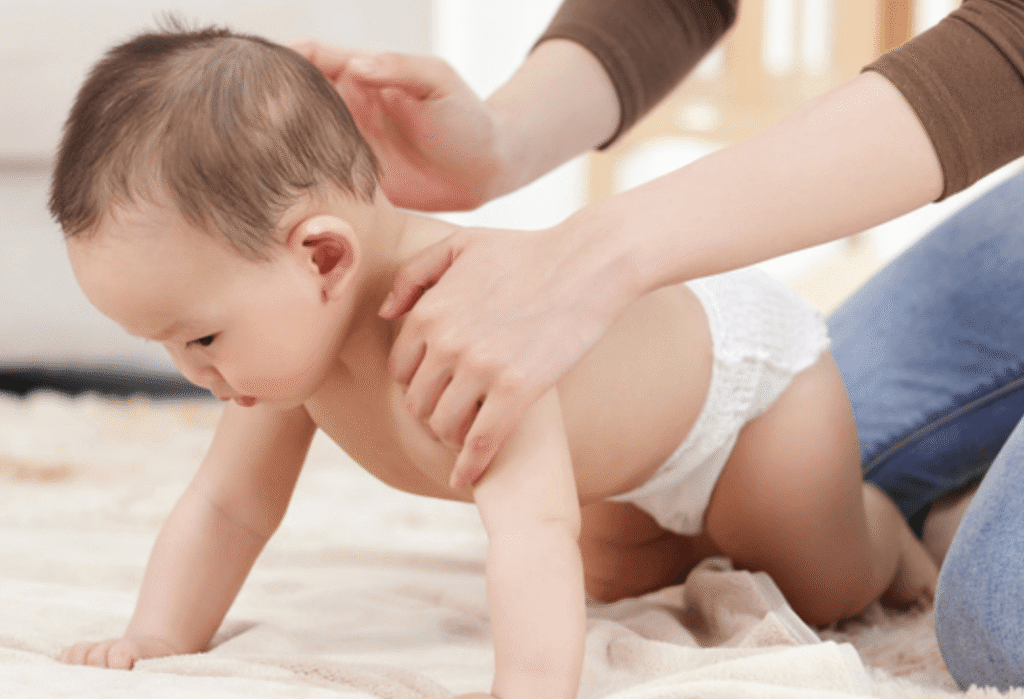
Services like Xin Xin Care’s 24/7 Live-in Postpartum Doula provide a comprehensive safety net. A live-in professional does more than just watch the baby; they manage the environment. By handling overnight feedings, preparing nourishing recovery meals, and monitoring both maternal and newborn health signals, they allow the mother to focus entirely on her healing. This intensive support often shortens the perceived recovery time and provides parents with the confidence needed for the months ahead.
Summary
The first 6 weeks after birth represent a vital transition for every new mother. By understanding the physical milestones—from uterine involution to hormonal stabilization—and recognizing when to seek extra support, you can ensure a safer and more restorative recovery. Prioritizing rest and professional guidance allows you to build a strong foundation for your family’s future.
FAQ
1. How long does postpartum recovery after birth actually take?
While the first 6 weeks are the most intense, it often takes 6 to 12 months for hormones to fully stabilize and for the pelvic floor to regain its pre-pregnancy strength.
2. When should I be concerned about my postpartum bleeding?
You should contact your doctor if you are soaking a maxi pad in less than an hour, passing clots larger than a golf ball, or if the bleeding has a foul odor.
3. Is it normal to feel “brain fog” after birth?
Yes. Often called “mom brain,” this is a combination of sleep deprivation, hormonal changes, and the brain’s “synaptic pruning” as it reconfigures for caregiving.
4. Can a postpartum doula help if I am breastfeeding?
Absolutely. A doula supports your choice. They can assist with positioning and latching, or if you are pumping, they can manage the cleaning of equipment so you can rest between sessions.
5. What is the “Golden Month”?
In many cultures, the first 30 days are considered a “sitting-in” period. The mother is encouraged to stay in bed, eat specific healing foods, and avoid household chores to ensure long-term health.
Reference Sources
ACOG: Optimizing Postpartum Care
CDC: Recovery After Birth Guidance