

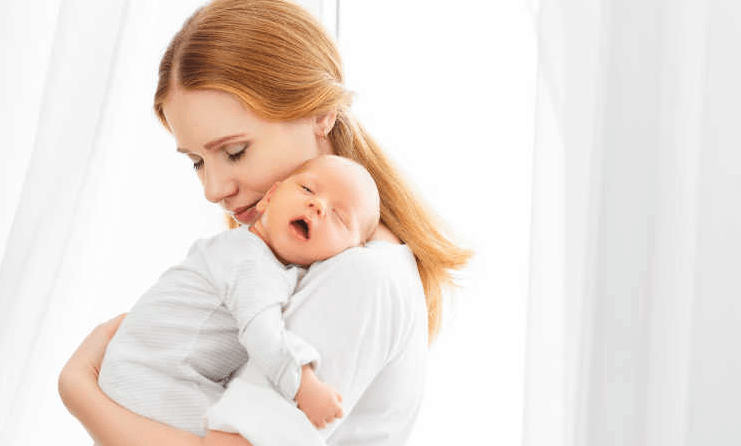
The “fourth trimester” is a period of profound physical and emotional transition. In California, where many families balance high-paced professional lives with the demands of new parenthood, the presence of a robust support system is not just a luxury—it is a critical factor in maternal health. Postpartum family support in CA encompasses everything from emotional reassurance provided by a partner to the practical assistance of extended relatives.
Research consistently shows that when a birthing parent feels supported by their immediate circle, the transition into parenthood is smoother. This support helps mitigate the risks of postpartum exhaustion and mood disorders, allowing the family to focus on bonding and healing.
Why Family Support is the Foundation of Postpartum Wellness in CA
The early weeks following childbirth require significant physical restoration. Whether recovering from a vaginal birth or a C-section, the body needs rest to heal tissues and regulate hormones. When a partner or family member steps in to handle household logistics, the birthing parent can prioritize this essential recovery.
Effective support systems provide three primary layers of care:
- Physical Buffer: Family members handle “the work of the home”—laundry, meal prep, and errands—so the mother can focus on “the work of the baby” and self-care.
- Emotional Stability: Having a partner to share the middle-of-the-night challenges reduces the sense of isolation that often triggers postpartum anxiety.
- Health Advocacy: Family members are often the first to notice signs of complications or postpartum depression, acting as a bridge to professional medical or wellness resources.
In California, the culture of wellness encourages a holistic approach. Many families find that integrating professional services, such as expert lactation support, is most effective when the partner is also educated on how to facilitate a comfortable nursing environment.

Practical Ways Partners and Relatives Support Recovery
Support is most effective when it is specific and actionable. Rather than asking “How can I help?”, partners and relatives in California are increasingly adopting proactive caregiving roles.
| Support Area | Partner/Family Action | Impact on Recovery |
| Feeding Logistics | Managing bottle sterilization or bringing the baby to the mother for nursing. | Protects the mother’s sleep and physical energy. |
| Nutritional Care | Preparing “mother-nourishing” meals high in iron and hydration. | Supports tissue repair and breast milk production. |
| Sibling Transition | Dedicating focused time to older children. | Reduces the mother’s “caregiver guilt” and household stress. |
| Rest Facilitation | Taking the baby for a walk or skin-to-skin time between feedings. | Allows for 2-3 hour blocks of uninterrupted maternal sleep. |
For families navigating the complexities of nursing, the partner’s role is particularly vital. A partner can ensure the mother has water, pillows, and a quiet space during sessions. If challenges arise, the partner often takes the lead in coordinating clinical lactation support to ensure the mother doesn’t feel overwhelmed by troubleshooting alone.
Navigating California’s Support Resources and Paid Leave
California is a leader in providing structural support for new families through its state-mandated programs. Understanding these resources is a key part of postpartum family support in CA, as it allows partners to be physically present during the most vulnerable weeks.
- California Paid Family Leave (PFL): This program allows eligible workers to take time off to bond with a new child while receiving a portion of their wages. This is a game-changer for partners who otherwise might have to return to work immediately.
- State Disability Insurance (SDI): Typically used by the birthing parent, this provides financial support during the initial recovery period (usually 6–8 weeks).
- Community Support Groups: Many California cities offer “New Parent Circles” or postpartum support groups. These provide a space for families to share experiences and normalize the challenges of the fourth trimester.
When partners utilize these leave benefits, the “mental load” of the household is shared. This shared responsibility is one of the most effective ways to prevent the burnout that many new parents experience in the first three months.
Realistic Expectations for In-Home Support
It is common for families to feel they should be able to “do it all” alone. However, the most successful postpartum outcomes occur when families acknowledge their limitations. In California’s wellness-focused landscape, asking for help is seen as a sign of proactive health management rather than a lack of capability.
Support doesn’t always have to come from live-in relatives. Many families build a “support patchwork” that includes:
- The “Meal Train”: Friends and neighbors dropping off food during the first two weeks.
- Wellness Specialists: Incorporating physical therapy, massage, or lactation guidance into the weekly routine.
- The Night Shift Rotation: Establishing a clear schedule for who is “on duty” with the baby to ensure everyone gets restorative rest.
By creating a plan that prioritizes the birthing parent’s rest and nutrition, the entire family unit becomes more resilient. The goal is to move from a state of “survival” to a state of “thrival,” where the arrival of the baby is marked by connection rather than depletion.
FAQ: Postpartum Support Common Questions
How long is family support typically needed?
While the most intense period is the first 4 to 6 weeks, many families benefit from a gradual step-down of support over the first three months (the fourth trimester).
What if our family doesn’t live in California?
If local family is not available, many CA families hire postpartum doulas or newborn care specialists to act as “surrogate” family support. You can also utilize virtual support for areas like lactation or mental health.
Does California Paid Family Leave apply to both parents?
Yes. Both parents (including non-birthing parents and adoptive parents) who pay into the CA State Disability Insurance (SDI) fund are generally eligible for bonding leave through PFL.
How can a partner help with breastfeeding?
A partner can help by tracking feeding times, ensuring the mother is hydrated, and managing the cleaning of pump parts. Their emotional encouragement is often the most significant factor in a mother’s decision to continue her breastfeeding journey.
Reference Sources
- California Employment Development Department (EDD): Official guidelines on Paid Family Leave and Disability Insurance. edd.ca.gov
- American College of Obstetricians and Gynecologists (ACOG): Optimizing Postpartum Care. acog.org
- Postpartum Support International (PSI): Resources for families and partners on maternal mental health.
- CDC: Maternal Health and the importance of social support during postpartum recovery. cdc.gov