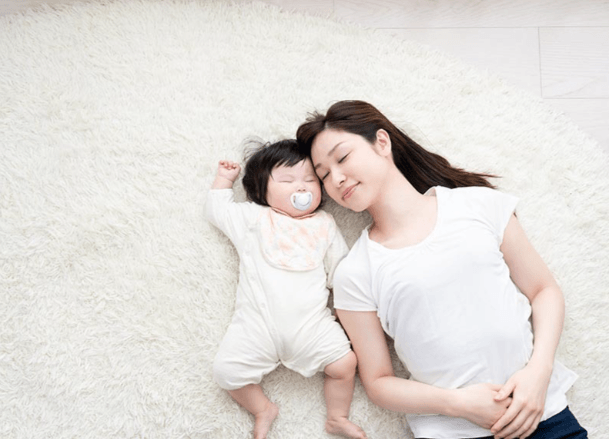

The transition into parenthood is often described as a joyful milestone, yet for many families in San Diego, the reality includes a profound sense of exhaustion. Postpartum burnout is more than just feeling tired; it is a state of physical, emotional, and mental depletion. While our local climate encourages an active, outdoor lifestyle, the internal pressure to “bounce back” can inadvertently accelerate parental fatigue.
Understanding how to navigate this period requires a shift from “survival mode” to intentional, smart routines. By integrating localized support and realistic expectations, parents can protect their mental wellness while adjusting to life with a newborn.

What Is Postpartum Burnout and Why Does It Happen?
Postpartum burnout is a syndrome resulting from chronic stress related to the intensive demands of caregiving. It differs from the “baby blues,” which typically resolve within two weeks. Burnout occurs when the output of energy—physical, emotional, and cognitive—consistently exceeds the input of rest and support.
In the high-energy environment of Southern California, new parents often feel the “San Diego pressure” to maintain a perfect home, a social calendar, and a fitness routine. This cognitive load, combined with sleep deprivation, creates a perfect storm for burnout. Identifying the signs early is the first step toward a sustainable recovery.
| Feature | Baby Blues | Postpartum Burnout |
| Onset | 2–3 days after birth | Can occur months after birth |
| Duration | Lasts about 10–14 days | Persistent and worsening |
| Core Feeling | Tearfulness, mood swings | Emotional distancing, depletion |
| Impact | Temporary adjustment | Impacts daily functioning |
| Resolution | Usually resolves naturally | Requires routine changes & support |
Essential Postpartum Burnout Tips San Diego Parents Can Use Today
San Diego offers unique advantages for postpartum recovery, from year-round sun to accessible nature. However, the key to avoiding burnout lies in how you structure your daily life within the home.
- Prioritize “Biological Snacking”: Instead of waiting for a full night’s sleep, focus on 20-minute rest intervals. This keeps the nervous system from reaching a state of total collapse.
- Leverage Local Sunshine: A 10-minute walk in Balboa Park or along the coast provides essential Vitamin D and helps regulate your circadian rhythm, which is often disrupted by infant sleep patterns.
- Batch Social Interactions: In San Diego, social circles are often large. To avoid “social burnout,” limit visitors to specific “support windows” where they contribute to household needs rather than requiring you to play host.
Building a Sustainable In-Home Routine
A smart routine is not a rigid schedule; it is a flexible framework that prioritizes the parent’s basic needs. Many families find that burnout is most intense during the “witching hour” (late afternoon to evening). Planning for this peak stress period can significantly lower cortisol levels for the entire household.
The “Three Pillars” of a Burnout-Resistant Routine:
- Lower the Household Threshold: Give yourself permission to let non-essential chores slide. In-home support should focus on nutrition and rest rather than aesthetics.
- Shared Overnight Responsibilities: If you have a partner or family member, establish a “protected sleep block” of at least four hours for the primary birthing parent.
- Nutritional Consistency: Keep easy-to-grab, nutrient-dense snacks available. Dehydration and low blood sugar are major contributors to the irritability associated with burnout.
Simplifying the Feeding Journey to Reduce Stress
For many new parents, the challenges of feeding a newborn are a primary trigger for burnout. The mental energy spent worrying about supply, latch, and scheduling can be overwhelming. Seeking specialized guidance can transform a stressful obligation into a manageable part of your day.
Utilizing resources such as professional lactation support can alleviate the “feeding anxiety” that often leads to parental depletion. When you have a clear plan and professional reassurance, you reduce the cognitive load, allowing your brain to rest even while you care for your baby. Professional support often helps families identify small adjustments that make a significant difference in the parent’s daily energy levels.
Integrating Community and Professional Support
Many first-time parents in San Diego believe they should be able to handle everything independently. However, postpartum recovery was never meant to be a solo journey. Recognizing when you need an extra set of hands—whether for overnight newborn care or daytime household help—is a sign of proactive parenting, not a lack of capability.
In-home caregivers and wellness specialists often assist with the transition by creating “pockets of peace” throughout the day. This might involve someone else managing the baby’s laundry or facilitating a nap for the parents. By outsourcing even small tasks, you preserve your emotional energy for bonding with your child.

FAQ
How do I know if I have postpartum burnout or depression?
Burnout is primarily characterized by extreme exhaustion and a sense of being “done” with caregiving demands. While it shares some symptoms with postpartum depression (PPD), PPD often includes deeper feelings of hopelessness or worthlessness. It is important to consult a professional for an accurate assessment.
Can a routine really help if my baby doesn’t sleep?
Yes. A smart routine is less about the baby’s sleep and more about the parent’s response to the environment. Even if the baby is awake, having a routine for meals, hydration, and “shift-sharing” with a partner ensures the parent doesn’t hit a breaking point.
Why is San Diego specifically mentioned as a factor in burnout?
The “lifestyle expectations” in coastal cities can be very high. Parents often feel they must be out at the beach or hiking shortly after birth. This external pressure to be “active” can lead parents to over-exert themselves before their bodies and minds have fully recovered.
When should I seek professional support for my routine?
If you find that you are constantly “on edge,” unable to sleep even when the baby is sleeping, or feeling disconnected from your surroundings, it is time to seek support. This could be a lactation consultant, a postpartum doula, or a mental health professional.
Does burnout affect non-birthing parents too?
Absolutely. Partners and non-birthing parents can experience burnout due to the shift in household dynamics, sleep deprivation, and the pressure to support the birthing parent while managing other responsibilities.
Reference Sources
- Postpartum Support International (PSI): Resources and support groups for parental mental health. postpartum.net
- The American College of Obstetricians and Gynecologists (ACOG): Clinical guidance on postpartum care and recovery. acog.org
- Centers for Disease Control and Prevention (CDC): Information on maternal mental health and “Hear Her” campaign. cdc.gov
- World Health Organization (WHO): Postnatal care guidelines for a positive childbirth experience. who.int
- San Diego County Maternal, Child, and Adolescent Health (MCAH): Local resources for San Diego families. sandiegocounty.gov