

The transition into parenthood, often referred to as the “fourth trimester,” is a period of profound change. While the focus is naturally on the newborn, the physical and emotional recovery of the mother is equally critical. For many families, the traditional support systems of the past have shifted, leading to a rising need for professional, immersive assistance. A live-in postpartum doula offers a comprehensive solution by providing 24/7 support that bridges the gap between hospital discharge and long-term family independence.
Unlike hourly care, a live-in arrangement ensures that support is available the moment it is needed—whether that is at 3:00 AM during a difficult feeding or during the “witching hour” when a newborn is most fussy. This continuous presence allows the mother to prioritize her physiological healing, which is often the first thing sacrificed in the face of sleep deprivation and household demands.
By integrating professional guidance into the home environment, families can establish healthy routines earlier, reducing stress and fostering a more confident start to their journey together.
Understanding the Scope of 24/7 Postpartum Care
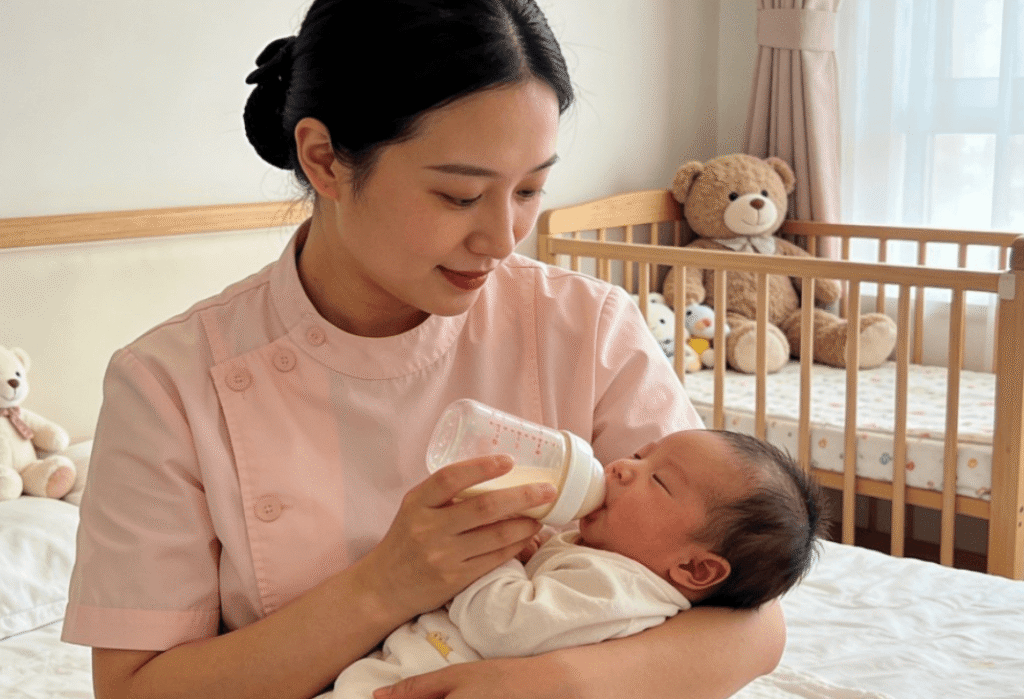
A live-in postpartum doula is a non-medical professional trained to support the entire family unit during the early weeks of a baby’s life. Their role is multi-faceted, encompassing infant care, mother-centered recovery, and household management. The term “live-in” implies that the doula resides in the home for a predetermined period, usually ranging from two weeks to several months, providing a constant safety net for the parents.
The primary philosophy of this care model is “mothering the mother.” While the doula is an expert in newborn soothing and sleep hygiene, their ultimate goal is to ensure the mother is rested, hydrated, and emotionally supported. This allows the mother’s body to focus its energy on tissue repair and hormonal stabilization rather than the logistics of laundry or meal preparation.
How does constant care differ from hourly support?
Hourly support is often task-oriented, focusing on specific windows of time where a parent needs a break. In contrast, 24/7 care is rhythm-oriented. A live-in doula observes the family’s natural patterns throughout the day and night. They can identify subtle cues in the infant’s behavior and the mother’s physical state that might be missed during short shifts. This holistic view allows for a more personalized care plan that evolves as the family’s needs change.
The Physiological Benefits of Guided Recovery
Physical recovery after childbirth requires rest, but the reality of a 2-hour feeding cycle often prevents it. For mothers recovering from a C-section or a difficult vaginal birth, the physical strain of lifting a baby or moving around the house can delay healing. A live-in doula manages these physical burdens, allowing the mother to remain in bed or on the sofa while the baby is brought to her for feedings.
Sleep is perhaps the most significant factor in postpartum wellness. Chronic sleep deprivation is linked to increased pain sensitivity and a higher risk of mood disorders. With a professional managing the “between-feeding” tasks—such as diapering, swaddling, and burping—a mother can achieve deeper, more restorative sleep cycles.
Why is 24/7 support vital for C-section healing?
Major abdominal surgery requires a minimum of six weeks for initial healing. During the first fortnight, movements like twisting, lifting, and even sitting up can be painful. A live-in doula acts as a physical extension of the mother, handling the logistics of the nursery and ensuring the mother follows her recovery protocol without overexertion. This proactive management significantly reduces the risk of incision complications or prolonged physical exhaustion.
Comparison of Care Options
Choosing the right level of support depends on the family’s budget, living space, and specific recovery goals. The following table highlights the differences between common postnatal support models.
| Feature | Live-In Postpartum Doula | Night Nanny / Caregiver | Traditional Postpartum Doula |
| Duration | 24/7 for several weeks | Overnight only (e.g., 9 PM – 7 AM) | Hourly daytime shifts |
| Primary Focus | Mother’s recovery & infant bonding | Infant sleep & feeding | Breastfeeding & light house tasks |
| Consistency | High; same person day and night | Medium; shift-based | Medium; varies by schedule |
| Family Impact | Comprehensive household rhythm | Focuses solely on baby’s room | Short-term task relief |
| Educational Value | Constant modeling of care | Limited to morning hand-offs | Specific coaching sessions |
Emotional Buffering and Mental Health
The “baby blues” affect up to 80% of new mothers, but the line between normal hormonal shifts and postpartum depression (PPD) can be thin. Having a professional in the home 24/7 provides a layer of emotional monitoring that is invaluable. A doula is trained to recognize the early warning signs of PPD and postpartum anxiety, offering a non-judgmental ear and professional resources before a crisis occurs.
Furthermore, the presence of an expert reduces the “anxiety of the unknown.” Many first-time parents feel overwhelmed by conflicting advice on sleep, feeding, and infant health. A doula provides evidence-based information tailored to the specific infant, which builds parental confidence and reduces the overall household stress level.
Identifying the Baby Blues vs. Clinical Anxiety?
It is common for mothers to feel tearful or overwhelmed in the first ten days postpartum. However, when these feelings persist or manifest as intrusive thoughts and an inability to sleep even when the baby is sleeping, professional intervention may be needed. A live-in doula observes these patterns in real-time, providing the “village” support that modern families often lack, ensuring the mother never feels isolated in her experience.
Practical Family Scenarios and Household Support
A live-in doula does not just care for the baby; they stabilize the entire household environment. This is particularly beneficial in homes where there are older siblings who may feel displaced by the new arrival.
- Managing the newborn’s schedule so parents can spend dedicated time with older children.
- Ensuring the “nursery ecosystem” is always stocked with clean diapers, wipes, and burp cloths.
- Preparing nutrient-dense meals that focus on postpartum replenishment (iron, fiber, and healthy fats).
- Light tidying of the kitchen and common areas to reduce the mother’s mental load.
- Organizing the breastfeeding or pumping station to ensure the mother is comfortable and hydrated.
When these practical tasks are handled, the “mental load” of motherhood is significantly lightened. This allows for better bonding between the parents and the newborn, as the environment is one of calm rather than chaos.
Integrating Care with Xinxin Care Services
For families seeking a structured and professional approach to this transition, Xinxin Care offers specialized 24/7 live-in support. Their model focuses on matching the right caregiver to the family’s specific philosophy and home dynamic. This ensures that the support provided is not just clinical but also culturally and emotionally resonant.
The onboarding process involves assessing the family’s needs—whether it is specialized twin care, C-section recovery, or breastfeeding coaching. By bringing a professional into the home, families benefit from a seamless transition where the doula models best practices in infant care, eventually empowering the parents to take over with full confidence.

Summary
The decision to hire a 24/7 live-in postpartum doula is an investment in the long-term health of the family. By prioritizing the mother’s recovery, families can navigate the fourth trimester with less stress and more joy. This immersive support model ensures that physical healing is prioritized, emotional wellness is monitored, and the foundation for the infant’s sleep and feeding routines is professionally established. Ultimately, a doula does not replace the parent; they empower the parent to be the best version of themselves during a vulnerable and beautiful time of life.
FAQ
1. What is the difference between a doula and a nanny?
A nanny is usually a long-term employee who follows the parents’ established childcare routine. A postpartum doula is a short-term specialist who focuses on the mother’s physical and emotional healing while teaching the parents how to care for their newborn using evidence-based techniques.
2. How long should a live-in doula stay?
Most families find that the first 4 to 8 weeks are the most transformative for physical recovery and routine building. However, some families extend the service to three months to cover the entire fourth trimester, ensuring the baby is well-adjusted before the doula exits.
3. Do I need to provide a separate room for a live-in doula?
Yes. Because the doula is in your home 24/7, they require a private bedroom where they can rest during their off-hours. This ensures they remain alert and capable of providing high-quality care during their active shifts and overnight support.
4. Can a live-in doula help with breastfeeding and pumping?
Yes. One of the primary roles of a postpartum doula is providing lactation support. They can assist with latching techniques, help manage pumping schedules, and ensure that all equipment is cleaned and ready for the next use, which is a major relief for breastfeeding mothers.
5. Does a live-in doula provide medical care?
No. Postpartum doulas are non-medical professionals. While they are experts in postpartum wellness and can identify “red flag” symptoms that require attention, they do not perform medical exams or prescribe treatments. They will always refer you to your medical provider for health concerns.
Reference Sources
ACOG: Optimizing Postpartum Care for Maternal Health
WHO: Recommendations on Postnatal Care for Mothers and Babies