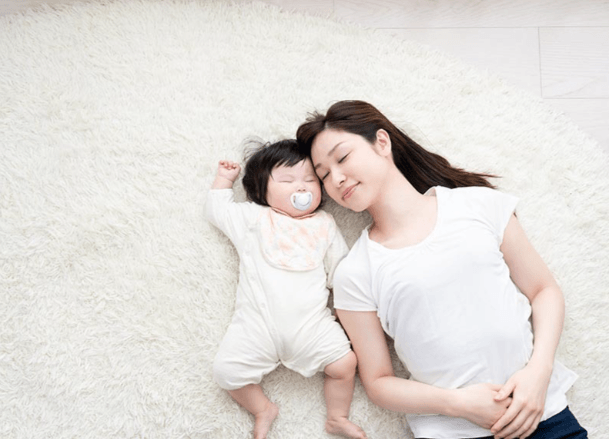

The weeks following childbirth are often described as a blur of joy, exhaustion, and profound transition. While much of the focus during this “fourth trimester” is placed on the physical healing of the body and the care of the newborn, the emotional landscape of a new mother is equally significant. Many women experience a range of emotions—from the “baby blues” to more intense feelings of anxiety or depletion.
Postpartum massage is frequently viewed as a luxury, yet for many families, it serves as a critical bridge between physical relief and mental stability. Understanding how postpartum massage benefits emotional recovery requires looking past the surface level of relaxation and into the physiological and psychological shifts that occur when a mother is supported through professional bodywork.
The Hormonal Shift: How Massage Regulates Postpartum Emotions
Immediately after birth, a woman’s body undergoes one of the most drastic hormonal shifts a human can experience. Levels of estrogen and progesterone drop sharply, while hormones like prolactin and oxytocin rise to support breastfeeding and bonding. This fluctuation can lead to mood swings, irritability, and a sense of being overwhelmed.
Professional postpartum massage specifically targets the endocrine system to help balance these shifts. Studies have shown that therapeutic touch can significantly reduce cortisol—the body’s primary stress hormone. When cortisol levels drop, the body is better able to produce dopamine and serotonin.
These “feel-good” chemicals are essential for stabilizing mood. By encouraging the natural release of oxytocin, often called the “bonding hormone,” massage helps a mother feel more connected to her infant and more grounded in her new role. This biochemical reset is a primary reason why many mothers report a “mental fog” lifting after a session.
The Connection Between Physical Comfort and Mental Clarity
Physical discomfort is a significant, yet often overlooked, contributor to postpartum anxiety and depression. When a mother is dealing with the pain of uterine involution, back strain from nursing, or the discomfort of engorged breasts, her “emotional bandwidth” is naturally restricted.
Chronic physical tension keeps the nervous system in a state of “fight or flight.” Postpartum massage benefits emotional recovery by signaling to the nervous system that it is safe to relax. By addressing specific physical issues—such as the neck and shoulder tension common in breastfeeding mothers—massage removes the constant “background noise” of pain.
When the body stops sending pain signals to the brain, mental resources are freed up. A mother who is not in physical pain is often more patient, more resilient in the face of sleep deprivation, and better equipped to handle the daily challenges of newborn care.
Reclaiming the Self: The Psychological Impact of Bodywork
During pregnancy and the early weeks of motherhood, a woman’s body often feels like it belongs to everyone but herself. It has been a vessel for growth and is now a source of nourishment and comfort for a baby. This can lead to a sense of “body dissociation,” where a mother feels disconnected from her own physical identity.
Massage provides a dedicated space where the mother is the one receiving care rather than providing it. This shift in dynamic is psychologically powerful.
Safe Boundary Re-establishment: Therapeutic touch helps a mother reconnect with her physical boundaries in a nurturing, non-demanding way.
A Sense of Agency: Taking an hour for a professional massage is often the first act of self-directed care a mother performs after birth.
Validation of the Experience: A skilled practitioner who understands postpartum recovery can provide a sense of “being seen” that is vital for emotional healing.
Specialized Care: Why Postpartum Massage Differs from Standard Treatments
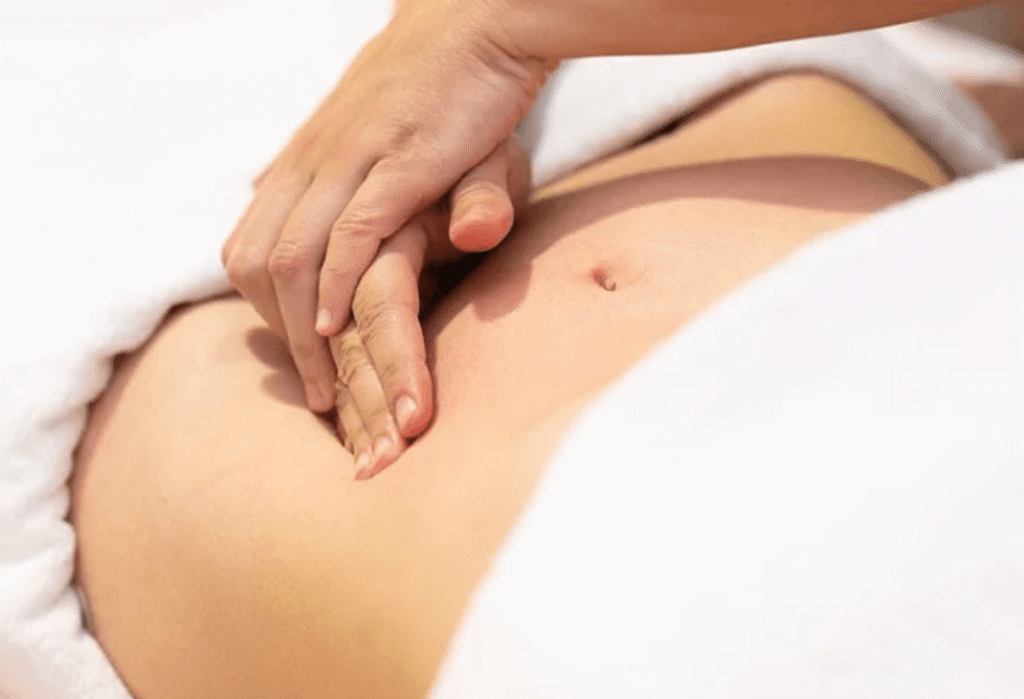
It is important to distinguish between a standard spa massage and specialized postpartum bodywork. A trained postpartum specialist understands the unique contraindications and needs of a body that has recently given birth.
For instance, practitioners often incorporate techniques focused on lymphatic drainage to reduce edema (swelling) and abdominal work to support uterine recovery. At specialized centers like Xinxin Care, the focus is often on a holistic “Sheng Hua” approach or specialized recovery techniques that align with traditional wisdom and modern wellness.
These specialized sessions often address:
Uterine Recovery: Gentle techniques that assist the uterus in returning to its pre-pregnancy size.
Lactation Support: Relieving tension in the chest and back to improve milk flow and reduce the risk of mastitis.
Pelvic Realignment: Addressing the structural shifts that occurred during pregnancy and labor.
When a mother receives care that is tailored specifically to her recovery stage, the emotional reassurance is doubled. She feels confident that her specific physical concerns are being managed by an expert, which reduces health-related anxiety.
Managing Postpartum Depletion and Fatigue
Postpartum depletion is a condition characterized by deep exhaustion, both physical and mental. It often stems from a combination of nutrient loss, sleep deprivation, and the constant vigilance required in early parenting.
Massage is an effective tool for improving sleep quality. Even a short period of deep relaxation during a massage can help regulate sleep cycles, making the fragmented sleep a mother gets at night more restorative. Improved sleep is one of the most direct ways to support emotional recovery, as it directly impacts the brain’s ability to process emotions and maintain perspective.
Furthermore, massage encourages better circulation. Improved blood flow ensures that oxygen and nutrients are efficiently delivered to tissues, helping the body recover from the “marathon” of birth. When the body feels stronger and more energized, the mind follows suit.
Integrating Massage into Your Emotional Wellness Plan
For many families, scheduling a postpartum massage is part of a larger strategy for a healthy “Golden Month.” It is not a replacement for medical treatment or psychological counseling if a mother is experiencing Postpartum Depression (PPD), but it is a powerful complementary therapy.
When considering postpartum support, families should look for:
In-home vs. Clinic options: Some mothers prefer the sanctuary of their own home, while others benefit from the “getaway” of a specialized wellness center.
Timing: While many cultures advocate for massage to begin shortly after birth (once cleared by a doctor), the emotional benefits are sustained well into the first year of motherhood.
Consistency: Rather than a one-time event, regular sessions (e.g., weekly for the first month) often yield the best results for emotional stabilization.
Postpartum massage provides a unique space where the physical and emotional meet. By lowering stress hormones, relieving the physical burdens of new motherhood, and providing a rare moment of peace, it allows a mother to return to her family feeling replenished and more emotionally resilient.

FAQ: Postpartum Massage and Emotional Well-being
How soon after birth can I start receiving postpartum massage?
For a natural, uncomplicated birth, many mothers can begin gentle massage within the first week. However, if you had a C-section or experienced complications, it is essential to wait until your healthcare provider clears you—usually around 4 to 6 weeks. Always inform your therapist about your birth experience.
Can massage help with “baby blues”?
Yes. By reducing cortisol and increasing serotonin and oxytocin, massage can help stabilize the mood swings associated with the “baby blues.” It provides a calming environment that helps the nervous system transition out of the high-stress state of labor and early postpartum.
What is the difference between a regular massage and a postpartum massage?
Postpartum massage is tailored to the specific physiological changes after birth. This includes positioning (which may be side-lying if breasts are sore), focusing on areas like the lower back and hips, and using techniques to support uterine involution and lymphatic drainage that a general massage therapist might not prioritize.
Does massage help with postpartum anxiety?
Many women find that the deep relaxation of a massage helps quiet the “racing thoughts” associated with anxiety. By focusing on the breath and physical sensations, massage acts as a form of somatic therapy, helping to ground a mother in the present moment.
How many sessions are recommended for emotional support?
While even a single session can provide relief, many wellness experts recommend a series of sessions during the “Golden Month” (the first 30 to 40 days). A weekly session during this period can provide a consistent emotional “anchor” as you adjust to your new routine.
Reference Sources:
American College of Obstetricians and Gynecologists (ACOG): Optimizing Postpartum Care
Postpartum Support International (PSI): Standard of Care and Complementary Therapies
National Institutes of Health (NIH): The effects of massage therapy on postpartum depression
World Health Organization (WHO): Postnatal care for mothers and newborns