

The arrival of a newborn marks the beginning of the “fourth trimester,” a period of profound transition for families in San Diego. While the excitement is immense, the physical and emotional demands of postpartum recovery often leave parents wondering how to best structure their support system.
Choosing between a daytime vs overnight doula in San Diego often comes down to identifying your family’s most pressing “pain points.” For some, the priority is navigating the steep learning curve of breastfeeding and household management during the day. For others, the primary goal is simply obtaining enough restorative sleep to function the next morning.
The Daytime Postpartum Doula: Focus on Recovery and Education
A daytime doula shift typically focuses on the “mothering the mother” philosophy. This role is highly educational and supportive, aimed at building the parents’ confidence while they are awake and alert. Families in San Diego often seek daytime support to bridge the gap between hospital discharge and returning to a sustainable daily routine.
During a daytime visit, a postpartum specialist provides hands-on guidance for newborn care, such as bathing, swaddling, and cord care. They also offer crucial lactation or bottle-feeding support, helping to troubleshoot common latching issues in real-time. Beyond baby care, daytime doulas often assist with light household tasks, such as preparing nourishing meals or organizing the nursery.
Physical recovery is a cornerstone of daytime support. Specialists often encourage mothers to prioritize their own healing through rest and specialized wellness practices. For example, integrating a professional postpartum massage into your daytime routine can significantly reduce muscle tension from nursing and accelerate the body’s natural healing process after childbirth.
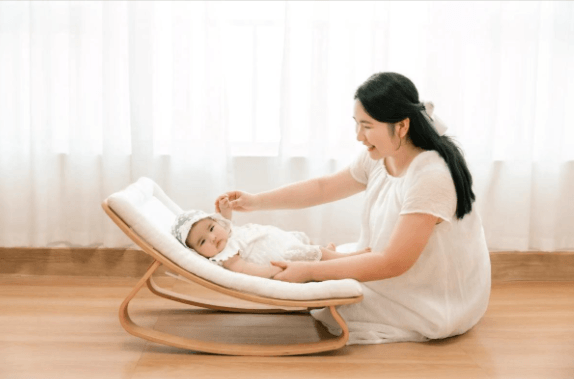
The Overnight Doula: Prioritizing Sleep and Parental Sanity
Overnight newborn care is designed with one primary objective: maximizing the parents’ sleep. In the high-paced environment of Southern California, many parents find that they can handle daytime challenges if—and only if—they have had a block of four to six hours of uninterrupted rest.
An overnight doula typically arrives in the late evening and stays through the early morning hours. Their responsibilities revolve around the baby’s nocturnal patterns:
- Feeding Support: If the mother is breastfeeding, the doula brings the baby to her only for feedings, then handles the burping, diapering, and soothing back to sleep.
- Bottle Feeding: If the baby is bottle-fed, the doula manages all aspects of nighttime nutrition, allowing both parents to sleep through the night.
- Sleep Shaping: Many overnight specialists help establish healthy sleep foundations from the start, gently guiding the newborn toward longer sleep stretches.
Families often find that overnight support reduces the incidence of postpartum mood disorders by mitigating the extreme sleep deprivation that can trigger anxiety and depression. It allows the household to start the day with a sense of calm rather than exhaustion.
Comparison: Daytime vs. Overnight Support Models
| Support Feature | Daytime Postpartum Doula | Overnight Newborn Specialist |
| Primary Goal | Education, Recovery, & Household Flow | Sleep, Nocturnal Care, & Rest |
| Feeding Help | Active troubleshooting & positioning | Managing nighttime routine & soothing |
| Parental Role | Active learning & co-parenting | Deep rest & recovery |
| Household Tasks | Meal prep, laundry, nursery organization | Bottle sterilization & nursery tidying |
| Wellness Focus | Physical healing & emotional processing | Mental health & circadian rhythm |
How to Choose the Best Fit for Your San Diego Household
Determining which model “works best” requires an honest assessment of your current support network and physical health. There is no one-size-fits-all answer, as every postpartum journey is unique.
Consider Daytime Support if:
- You are a first-time parent: You may feel overwhelmed by the “how-tos” of baby care and want a mentor by your side.
- You had a C-section: Physical limitations make household navigation difficult, and you need someone to bring the baby to you and handle domestic logistics.
- You value wellness and nutrition: You want someone to prepare healing “mother-food” and facilitate recovery sessions like massage or pelvic floor rest.
Consider Overnight Support if:
- You are returning to work early: Sleep is a professional necessity for your role.
- You have other children: You need to be “on” during the day for older siblings and cannot afford to be up all night with a newborn.
- You are prone to sleep-deprivation triggers: If you have a history of insomnia or mood sensitivity, sleep is your best preventative medicine.
Many San Diego families eventually settle on a “hybrid” model, starting with 2–3 weeks of daytime support to build confidence, followed by several weeks of overnight care to navigate the peak of newborn sleep challenges.

Trust and Realism in Caregiving
It is important to remember that postpartum doulas are non-medical caregivers. While they provide immense support for recovery and newborn care, they do not provide medical diagnoses for the mother or baby.
When interviewing a daytime vs overnight doula in San Diego, prioritize “compatibility” and “philosophy.” You are inviting someone into your home during your most vulnerable moments. Whether they are assisting with postpartum recovery massage during a sunny San Diego afternoon or soothing a crying infant at 3:00 AM, the caregiver should feel like a calming extension of your family unit.
Ultimately, the goal of either service is to move your family from a state of “survival” to a state of “thrival,” ensuring that the first few months of your child’s life are remembered for joy and connection rather than stress and depletion.
FAQ: Postpartum Support in San Diego
How long does a typical postpartum doula shift last?
Daytime shifts usually last between 4 to 6 hours, while overnight shifts typically run for 8 to 10 hours (e.g., 9:00 PM to 7:00 AM). Most agencies and independent doulas in San Diego require a minimum number of hours per shift to ensure continuity of care.
Can a doula help if I have twins?
Absolutely. In fact, many families with multiples consider a doula an essential part of their team. For multiples, an overnight doula is often preferred to manage the “tandem” feeding and soothing cycles that can be nearly impossible for one or two parents to handle alone all night.
Is there a difference between a “Night Nanny” and an “Overnight Doula”?
Yes. While the terms are sometimes used interchangeably, a doula usually has a broader focus on the mother’s emotional and physical recovery, whereas a night nanny focuses almost exclusively on the infant’s needs.
When should I book my postpartum support in San Diego?
Due to high demand in the Southern California area, it is recommended to start interviewing doulas during your second trimester. Many of the most experienced specialists are booked several months in advance.
Reference Sources
- Postpartum Support International (PSI): Resources on the importance of sleep and support in preventing postpartum depression. postpartum.net
- American College of Obstetricians and Gynecologists (ACOG): Optimizing Postpartum Care guidelines. acog.org
- DONA International: Standards of practice and ethics for postpartum doulas. dona.org
- CDC: Maternal Health and Postpartum Recovery Guidance. cdc.gov