
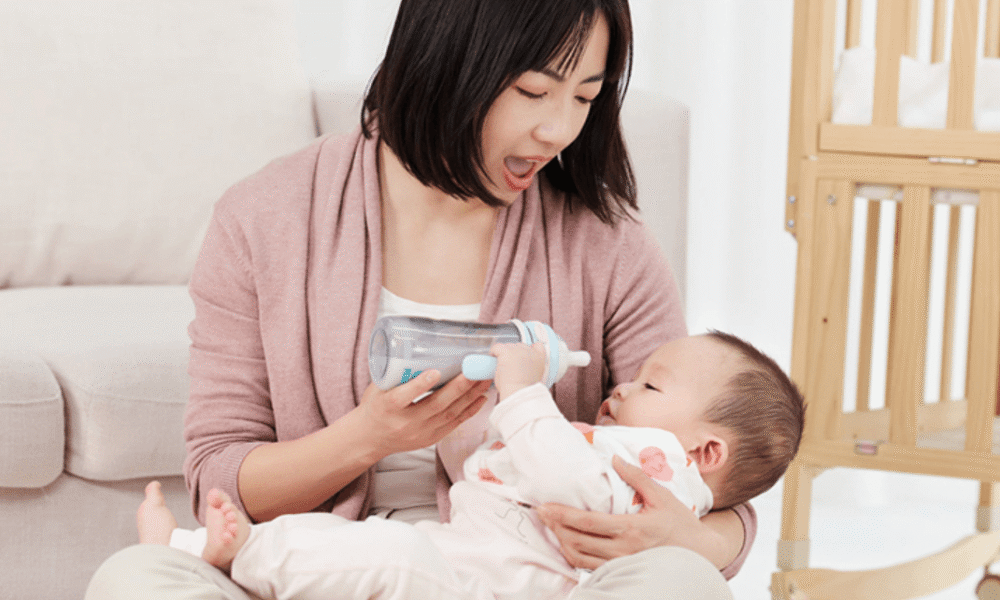
The arrival of a newborn is a monumental milestone, but in 2026, the conversation around birth has shifted significantly. We no longer just ask “How is the baby doing?” but rather “How is the entire family unit functioning?” This transition into parenthood, often called the Fourth Trimester, involves a complex web of physical recovery, emotional upheaval, and logistical restructuring.
While a newborn care specialist or a nanny might focus primarily on the infant’s feeding and sleep cycles, a postpartum doula takes a broader view. Their role is to provide comprehensive family postpartum support that nurtures every member of the household. By stabilizing the environment and supporting the adults, the doula ensures that the baby enters a home filled with calm and confidence rather than stress and exhaustion.
What is Comprehensive Family Postpartum Support?
Family postpartum support is a holistic approach to care that prioritizes the wellness of the entire domestic ecosystem. It is rooted in the understanding that a thriving baby requires healthy, supported parents. In modern 2026 households, where nuclear families often live far from their extended support networks, a doula acts as the “professional village.”
This support is non-medical and non-judgmental. It encompasses emotional encouragement, evidence-based education on newborn behavior, and practical assistance with the daily flow of the home. Instead of simply taking the baby away to another room, a doula works alongside the family, empowering them to find their own rhythm.
The Shift from Infant Care to Family Wellness
The primary difference between standard childcare and doula-led support lies in the focus of the care. While the baby’s needs are always met, the doula’s eyes are frequently on the parents. They monitor the birthing parent’s recovery, ensure the partner feels included, and help manage the household’s overall energy.
In 2026, wellness experts emphasize that “mothering the mother” is not a luxury but a necessity for long-term family health. When a parent feels seen, heard, and rested, they are better equipped to bond with their child. Family support services facilitate this by removing the “noise” of household chores and “what-if” anxieties, allowing parents to focus on what matters most.

Supporting the Physical and Emotional Recovery of the Parent?
The physical recovery from childbirth is an intensive process that requires rest, nutrition, and time. Whether a parent is recovering from a physiological birth or a surgical one, the early weeks are critical. A doula supports this recovery by creating an environment where the parent can actually rest.
This support includes:
- Providing nutritious snacks and hydration that facilitate healing and lactation.
- Suggesting ergonomic positions for nursing or holding the baby to reduce physical strain.
- Assisting with the setup of “recovery stations” so the parent has everything they need within reach.
Beyond the Baby Blues: Mental Health Support
Mental health is a cornerstone of family postpartum support. The hormonal shifts following birth are profound, and in 2026, we are more aware than ever of the prevalence of postpartum mood and anxiety disorders (PMADs). A doula serves as an early-warning system, trained to recognize the difference between the common “baby blues” and signs that require professional clinical intervention.
By offering a non-judgmental space to process the birth story and the challenges of early parenthood, doulas provide a vital emotional safety net. They offer reassurance that the struggles of the Fourth Trimester are normal, which can significantly lower parental stress and prevent the feelings of isolation that often lead to more severe mental health challenges.
How Do Doulas Integrate Partners and Siblings?
A common misconception is that a doula is only for the birthing parent. In reality, the most effective support involves the entire family. Partners often experience significant pressure to be the “rock” for the family, often while also navigating their own transition into a new role and returning to work.
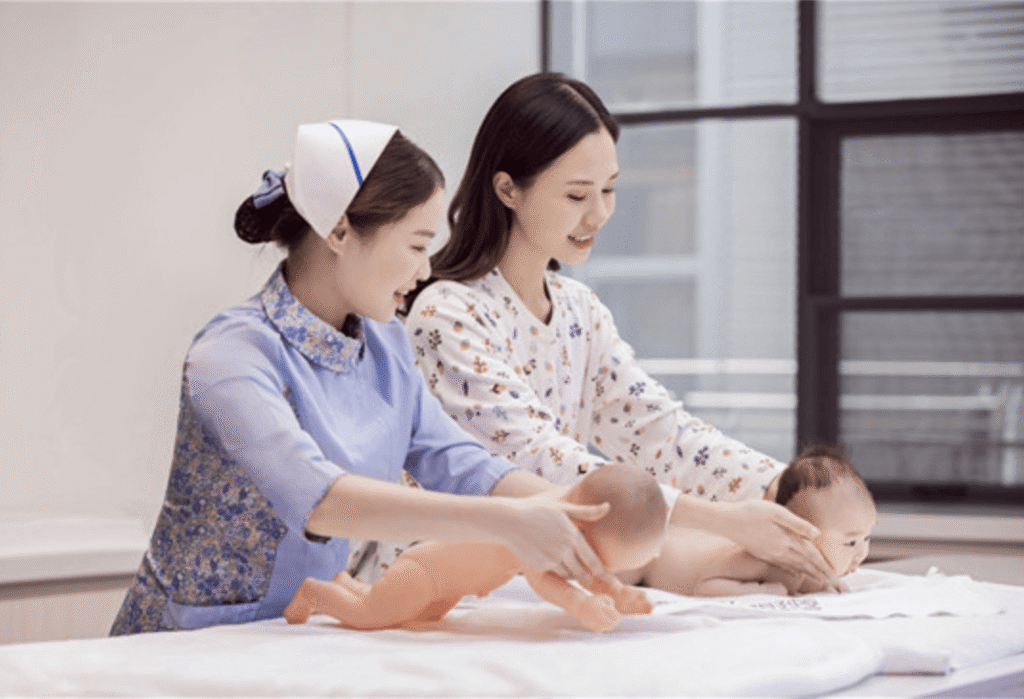
Doulas help bridge the gap by teaching partners hands-on skills, such as soothing techniques, diapering, and how to best support the birthing parent’s recovery. This education builds the partner’s confidence, ensuring they feel like an active and capable participant in the newborn’s life rather than a bystander.

Navigating Sibling Dynamics
For families with older children, the arrival of a new baby can be a source of confusion and jealousy. A doula helps manage this shift by ensuring the older siblings do not feel displaced. This might involve:
- Spending one-on-one time with the older child to explain newborn behaviors.
- Maintaining the older child’s existing routines to provide a sense of security.
- Modeling gentle ways for the sibling to interact with the new baby.
By smoothing these sibling transitions, the doula reduces the “chaos” that often characterizes the addition of a second or third child, leading to a more harmonious household.
Stabilizing the Household Environment?
A household in the weeks after a baby arrives is often a place of “decision fatigue.” Parents are often too tired to decide what to eat, let alone keep up with the laundry or dishes. A postpartum doula stabilizes the home by taking over these light household management tasks.
This logistical support often includes:
- Laundry for the baby and the birthing parent.
- Basic kitchen organization and dish management.
- Meal preparation centered on postpartum recovery nutrients.
- Managing the flow of visitors and gifts so the parents aren’t overwhelmed.
For families requiring the highest level of stability, many choose to invest in 24/7 live-in postpartum doula assistance. This model of care provides around-the-clock support, ensuring that at no point—whether it’s a difficult 2:00 AM feeding or a mid-day emotional hurdle—the family is left without professional guidance. Live-in support is particularly beneficial for those without local family or those recovering from complex births, as it allows for a seamless transition into a sustainable routine.
Summary
In 2026, we recognize that the health of a newborn is inextricably linked to the health of the family. Family postpartum support through a doula offers a comprehensive solution that addresses the physical, emotional, and logistical needs of the entire home. By focusing on the parents, partners, and siblings, doulas create a foundation of confidence and wellness.
Whether it is through daytime visits or comprehensive live-in care, the presence of a doula transforms the postpartum experience from one of “survival” to one of “thriving.” As families continue to navigate the complexities of modern life, this professional support remains an invaluable asset for a healthy start to life.
FAQ
1. What is the difference between a postpartum doula and a nanny?
A nanny’s primary responsibility is the care and safety of the child. A postpartum doula’s primary responsibility is the care of the whole family. While a doula certainly cares for the baby, they also spend significant time supporting the parent’s recovery, providing emotional support, and teaching the parents how to care for their newborn independently.
2. Can a doula help if I choose to formula feed?
Yes. Postpartum doulas are trained to support all feeding choices without judgment. They can help you with bottle sterilization, formula preparation, and techniques for “paced bottle feeding” to ensure the baby is fed safely and efficiently while still promoting bonding between the parent and child.
3. Is a doula only for first-time parents?
Actually, many families find a doula even more helpful with their second or third child. The logistical challenge of managing a newborn alongside older siblings is significant. A doula helps balance the needs of the household so that no one feels neglected during the transition.
4. Does the doula stay overnight?
This depends on the service model you choose. Many doulas offer overnight shifts specifically to help parents get restorative sleep. Others offer daytime support, and some provide 24/7 live-in care for families who want continuous assistance during the first few weeks or months.
5. How does a doula support a partner’s mental health?
Partners often feel a heavy burden to keep the household running while supporting a recovering spouse. A doula alleviates this pressure by sharing the workload. By providing a professional to talk to and learn from, the doula reduces the partner’s anxiety and helps them feel more competent in their new role.
Reference Sources
American College of Obstetricians and Gynecologists: Optimizing Postpartum Care (2026 Edition)
Postpartum Support International
DONA International: The Role of the Postpartum Doula in Family Wellness